 That Vibe Coder
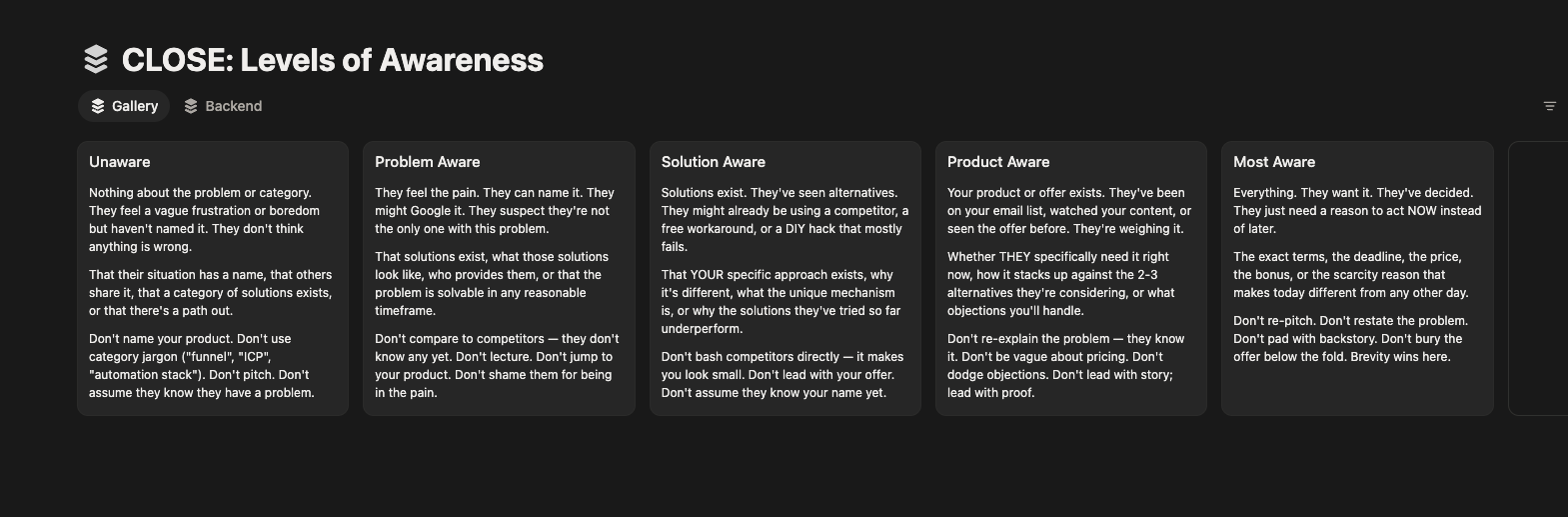
The problem with your website isn't that it's not optimized. It's that it's probably written for only one type of visitor, but multiple different people land on it.
You've got the one who found you on Google, who already knows what they want but just needs to know you're legit. Then there's the one who found you through social media or an ad and barely knows what you do yet. And because the site is trying to speak to both of them at once, it loses both leads.
The thing that sucks is that you already paid for both of those visitors, whether that was the ads, the website itself, or whoever you pay to get you showing up in search.
Three People, One Page
- The one from Instagram - saw your post and got a little curious. Unfortunately, they have no idea what you do or whether they even need it. We call this person someone who is "problem unaware."
- The one from Google - typed "AC repair near me" at 9pm and already knows exactly what they want. They just need to know you're real and you can come tomorrow, which is what we touched on in Whoever Answers First Gets the Job.
- The one in the middle - most websites are built for this one, because that's who the owner pictures when they write it.
So the person with the real problem scrolls past, not knowing you could be the perfect solution.
Using Claude to Speed-Run This Process
Once you've got your customer locked in and one landing page that works, you can have Claude spin up multiple versions. In my case, I had Claude build me seven different variations of my current agency homepage.
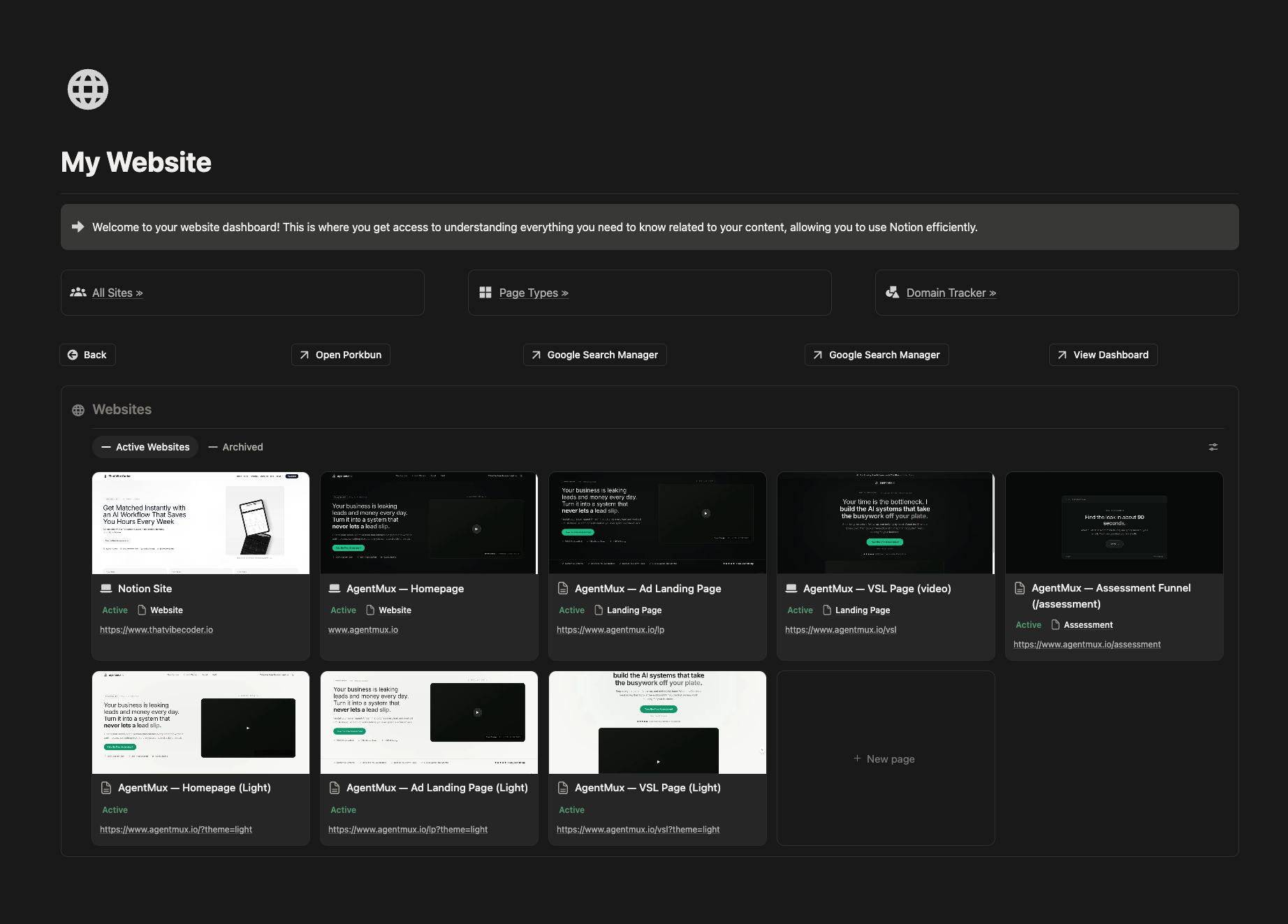
Take a pool company. That's three pages with three different first lines:
| Who | Where Their Head Is |
|---|---|
| Searching in May | Wants the pool opened before the kids are home all day |
| Searching in October | Wants it winterized before the first freeze |
| Saw your ad in March | Doesn't know spring prep is a thing yet |
That's why we went over a custom voice profile in a previous post, because now you start to see how all of these systems start coming together.
- Lock in your customer - so Claude knows who it's talking to
- Get one landing page that works
- Spin up multiple variations - and then decide on the winners
The Part Most People Miss
People tend to think that spinning up different versions is the hard part. But that's actually wrong. The hard part is locking in the messaging. Each version has to answer the one thing that visitor is worried about.
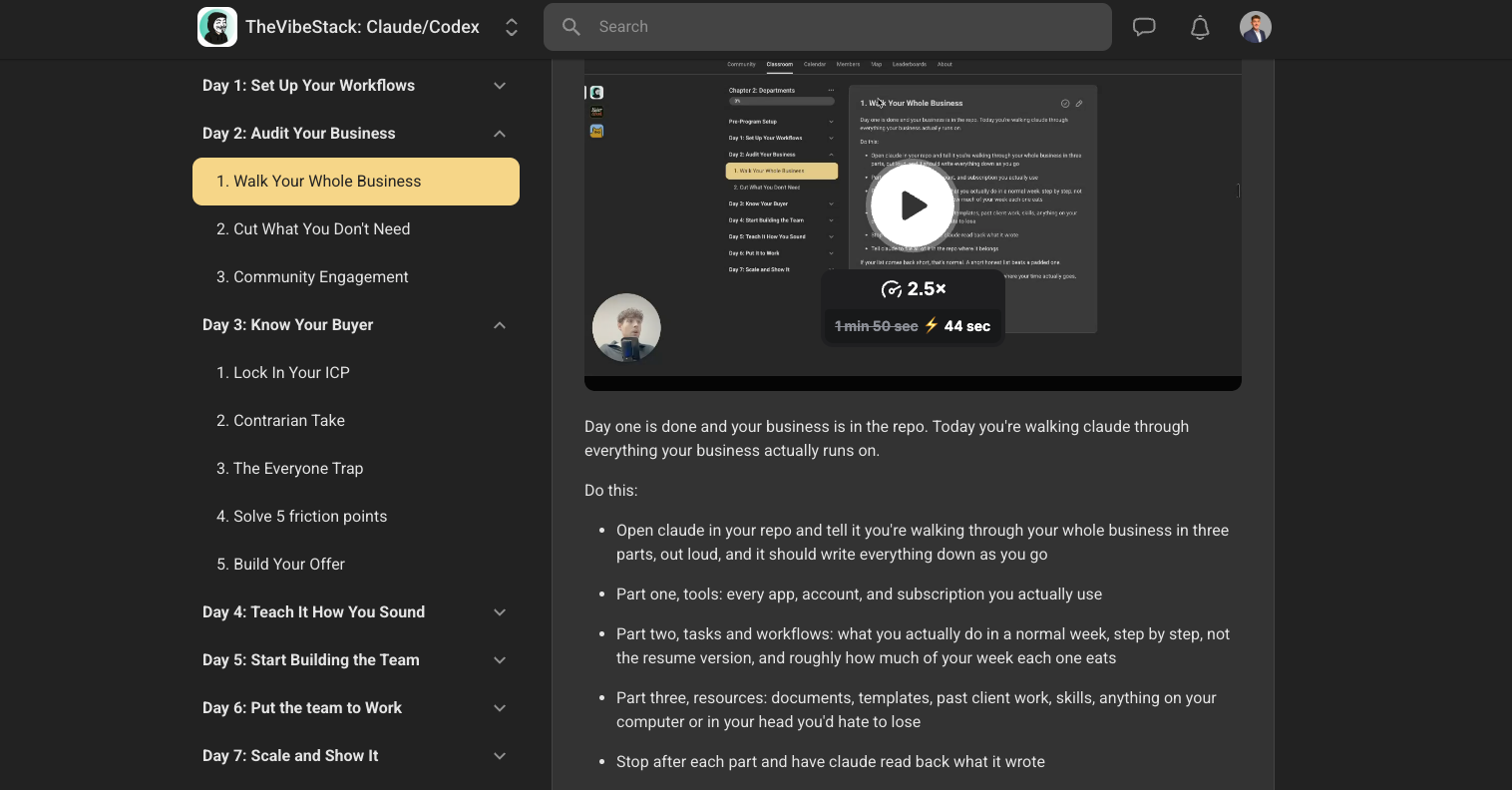
Locking the messaging in for each visitor is most of Chapter 2 inside The Vibe Stack:
- You figure out your ICP
- Pick your contrarian take
- Build your offer
- And then Claude writes the versions
One Thing to Try This Week
Write the first screen for each of the three.
- Open Claude and tell it what you do, who it's for, and the three ways people actually find you, whether that's search, social, referrals, or ads.
- Paste in the prompt below. It asks you a few questions, then writes the top of the page for each visitor: the headline, the line under it, and the button.
- Put up the one you're missing first. For most businesses that's the Instagram one, because the Google one is usually the page you already have.
Here's the prompt. Paste it in as is and fill in the brackets.
I run [business] in [city]. I do [what you do] for [who it's for]. People find me three ways: [what they type into Google], [what they see on social], and [referrals or ads]. Ask me up to five questions about each kind of visitor, one at a time. Then write the first screen of a page for each one: a headline that names what that person already knows, one line under it that says what happens next, and the words on the button. Keep every sentence under 20 words. No industry words. Don't describe my business, talk to the person reading it.
Which of the three is landing on your site right now with nothing written for them?
Before You Go
Figuring out who's showing up and what they already know is the first thing we do inside TheVibeStack: Claude/Marketing. If you'd rather do it with some help instead of alone, that's the place, and I'm in there answering questions as you go.